
Swinging, Banging Bodies: Satisfying That Sensory Secret at Home
Imagine the body as a finely tuned orchestra of movement: the swing of the legs, the bang of the feet against the trampoline or vibration plate, the subtle quiver of balance board under a foot, the gentle hug of a weighted blanket. For many of us (kids, adults, and parents alike), this movement-rich, body-aware play is not just fun—it’s essential. It’s how we satisfy our sensory secret: our innate craving for proprioceptive (body-in-space), vestibular (movement/balance), and tactile (deep-pressure) input.
Why swinging, banging and bouncing matter
Jumping on a big or little trampoline gives us dynamic input into our vestibular and proprioceptive systems: the sense of motion, up/down, forward/back, the inner ear’s balance feedback and the muscles’ awareness of position. For example, rebound or trampoline therapy helps children with autism or other sensory processing differences to regulate energy and integrate movement input.
Balance boards, vibration plates and jump ropes add subtle and continuous feedback: the muscles and joints have to engage, adjust, wobble, steady. They build body awareness, coordination, and help the nervous system stay grounded.
Deep pressure, like the hug-like input of a weighted blanket, supports regulation: calming the nervous system, improving rest, reducing anxiety, and improving body-awareness (via Golgi tendon organs and other proprioceptors).
At-home sensory setup: what we use
Here’s how we bring this sensory menu into our home and how you can adapt it too:
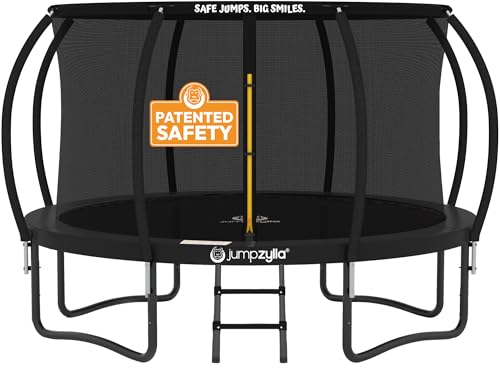
Big trampoline: A full-sized outdoor or indoor trampoline invites big body movement. Jumping high, bouncing together, switching directions, perhaps adding games like “pop the balloon” or “freeze and land.” The high amplitude movement gives huge vestibular/proprioceptive input.
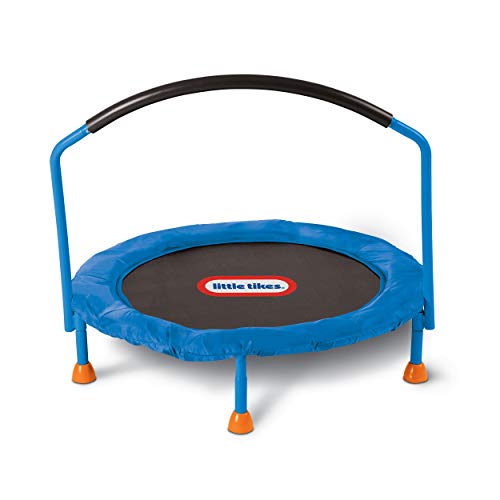
Little trampoline/rebounder: For smaller spaces, or indoors, a mini trampoline lets you bounce in place, get that up-and-down rhythm, and reset energy without needing a full yard. It’s perfect before homework, after screen time, or when bodies feel restless.
Jump rope: Simple, portable, and brilliant for reinforcing rhythm, timing, coordination and proprioception. The jump rope gives you that “bang” when the feet hit, the body lifts, the landing. Feedback loops everywhere.
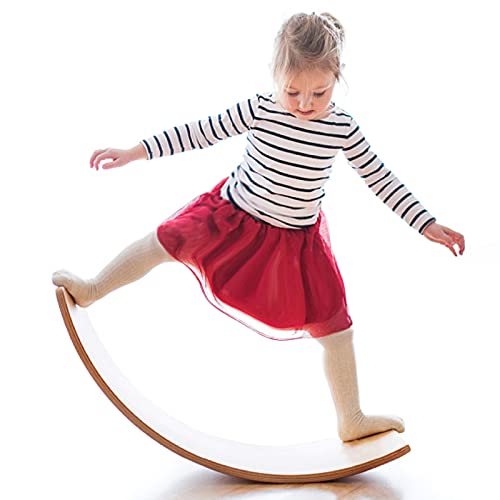
Balance board / vibration plate / balance ball: These tools provide a slightly different flavor of sensory input: less “big bounce, big boom”, more controlled micro-movements, wobble, subtle corrections, muscle recruitment, core engagement. For example, on a balance board you’re continuously adjusting, engaging your body-map.


Weighted blanket: Ending the session or for quiet-time, wrapping under a weighted blanket gives the body deep pressure input, which is a wonderful contrast to the dynamic movement. It’s like the “land” after all the jumping: the body comes home. Research shows weighted blankets help regulate the nervous system, support better sleep or calmer evenings.
How to incorporate in daily life
After school or work: 10 minutes on the little trampoline or jump rope to release built-up energy.
Mid-day break: 5 minutes on a balance board or vibration plate while watching a show or listening to audiotape. Get the body engaged but calm.
Before bed: Wrap in the weighted blanket for ~20 minutes of grounding. Combine with reading, dim lights, soothing music.
Weekend play: Use the big trampoline with kids, incorporate games (“Simon says bounce”, “freeze on landing”, “jump rope challenge”) and invite siblings to join so it becomes a shared sensory-movement ritual.
Monitor and adjust: Watch how the body responds. If after trampoline the person is still wired, reduce bouncing time; if the body seems flat and low arousal, increase the jump/bounce activity. The balance board or vibration plate are great for modulating. It is less intense than full bounce but more than sitting.
Integrate with awareness: Encourage noticing what the body feels like before and after. “How did you feel when you landed?” “What does your body say when you stop bouncing?” This builds sensory self-awareness, which is powerful.
Safety & practical tips
Ensure trampolines and rebounders are used on level ground, with safe clearance zones, and with adult supervision when needed.
Always match equipment size and user size. For weighted blankets: aim for approximately 10% of the person’s body weight (though check manufacturer guidelines) because too heavy can restrict movement or breathing.
Balance boards and vibration plates should be used with stable footing and in a clear area.
Alternate movement with rest: after big bounce session, allow for a transitional cool-down, maybe gentle stretching, deep breathing.
A GENTLE REMINDER
Every child’s journey is different. These activities are not meant to replace medical care, imaging, or orthopedic recommendations but rather to support your child’s development alongside them. If you have questions about your child’s hips, movement patterns, or development, we’re always happy to support you.
Need help deciding where to start?
We suggest booking an appointment with us at Focus Chiropractic.