Flat Head Baby (Plagiocephaly)
Gentle Ways to Support Your Baby’s Head Shape
Noticing a Flat Spot on Your Baby’s Head?
If you’re seeing a flat spot on your baby’s head, often called flat head syndrome (plagiocephaly), you’re not alone.
This is one of the most common concerns we see from parents in Pasadena.
The good news?
There are gentle, natural ways to support your baby’s head shape and overall development. especially when we look at the whole body, not just the head.
What Is Flat Head Syndrome (Plagiocephaly)?
Flat head syndrome, also known as positional plagiocephaly or head shape asymmetry, happens when a baby develops a flat spot on one side or the back of their head.
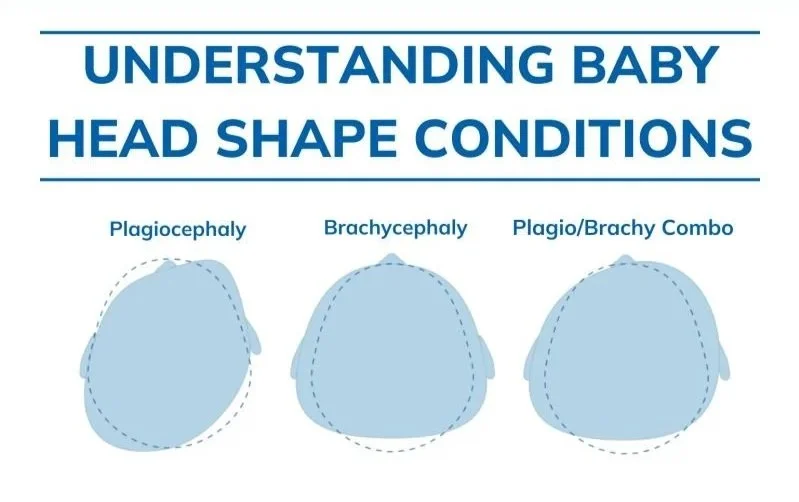
Because babies’ skulls are soft and rapidly growing, they can mold based on:
Positioning
Movement patterns
Underlying tension in the body
What Causes a Flat Head in Babies?
In our office, we rarely see this as “just positioning.”
More often, it’s connected to tension and preference patterns in your baby’s body:
Preferring to look one direction
Torticollis (tight neck muscles)
Tension in the jaw or mouth (often tied to feeding)
Birth patterns (long labor, fast delivery, in-utero positioning)
Discomfort with tummy time
Time in car seats, swings, or containers
Head shape is often a reflection of how your baby is moving and feeling.
Why Head Shape Matters (Beyond Cosmetic)
You may hear that flat head syndrome is “just cosmetic,” but many parents notice more going on.
We often see connections between head shape asymmetry and:
Feeding challenges or side preference
Jaw tension and oral restrictions
Limited neck mobility
Delayed rolling or crawling
Fussiness or difficulty settling
When we support movement, comfort, and the nervous system, head shape often improves naturally.

Signs Your Baby May Need Support
Flat spot on one side or back of the head
Prefers looking one direction
Difficulty turning both ways
One ear slightly forward
Feeding better on one side
Dislikes tummy time
If you’re noticing any of these, early support can make a big difference.
Gentle Ways to Support Your Baby at Home
Small, consistent changes throughout your day can make a big difference in your baby’s head shape and movement patterns.
Switch sides when bottle feeding.

It’s easy to default to one side—but alternating sides helps:
Encourage your baby to turn both directions
Reduce preference patterns
Support more balanced development
Try to switch sides halfway through feeds or alternate each feeding.
Alternate how you hold your baby
Switch arms when carrying
Change sides when burping
Hold your baby in a way that encourages them to look both directions
Position with intention
Place toys, light, or your face on your baby’s non-preferred side
Position the crib so they naturally turn both ways to look out
Make tummy time more comfortable
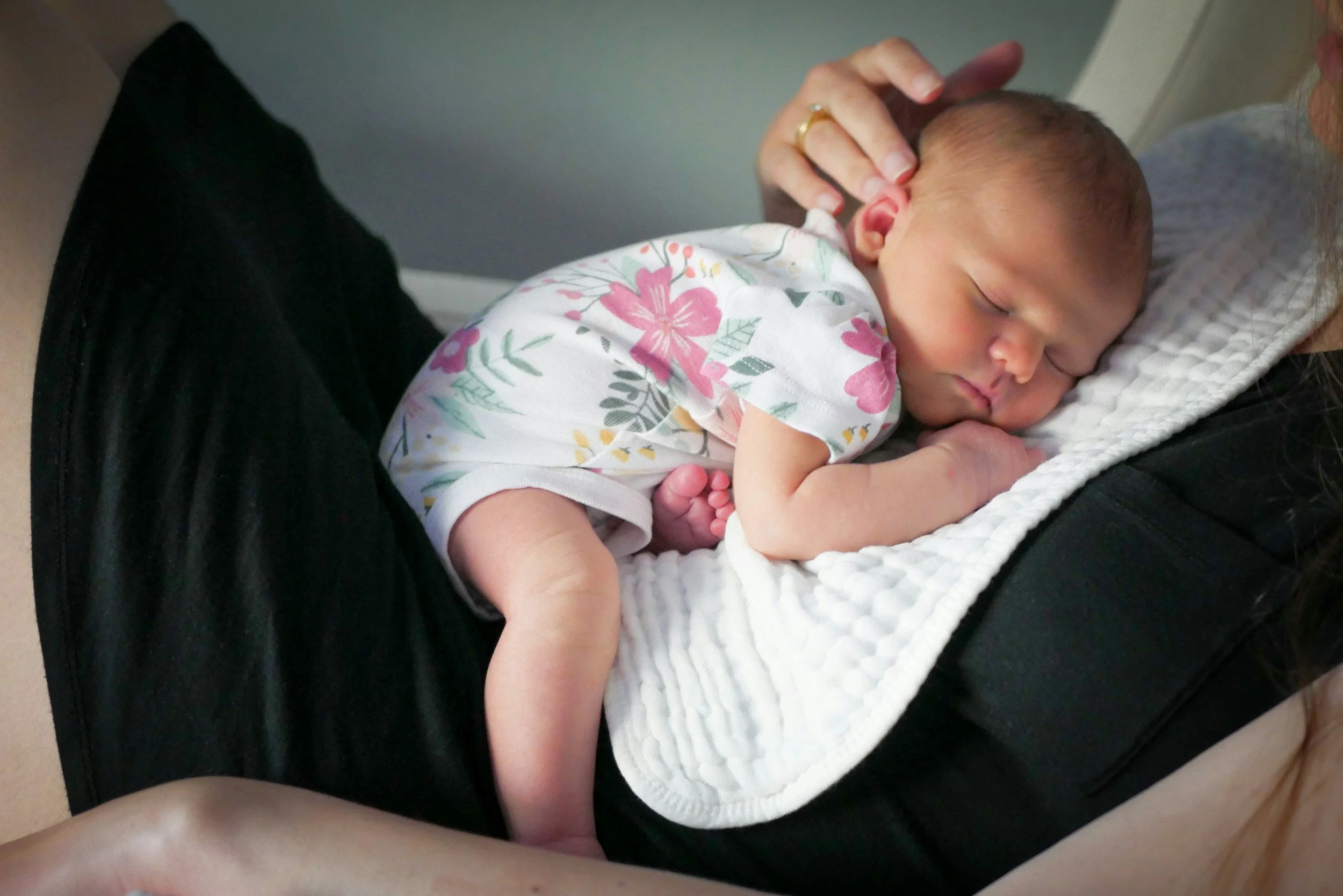
Try chest-to-chest or over your legs
Use a yoga ball for gentle movement
Keep it short and frequent
Limit time on the back (when awake)
Reduce time in swings, loungers, and car seats when not necessary
Incorporate more floor time and babywearing
Encourage midline play
Help your baby bring hands to center
Encourage reaching across the body
Use simple sensory play like textured books
Share these tips with your village
If your baby spends time with a nanny, family member, or daycare provider, sharing these simple strategies can help create consistency throughout the day. Small, repeated changes across caregivers can make a big difference over time.
These small shifts support your baby’s ability to move, turn, and develop more evenly throughout the day.
If you’re doing these and still noticing a preference or flat spot, that’s usually a sign your baby could benefit from additional support.
How Pediatric Chiropractic Can Help Plagiocephaly
At Focus Chiropractic in Pasadena, we use gentle cranial and bodywork to support your baby’s natural development.
Care may include:
Releasing tension in the neck, shoulders, and spine
Gentle cranial work to support skull movement
Jaw and oral tension release (supporting feeding and alignment)
Nervous system support to help your baby feel more at ease
Teaching parents simple, effective exercises to continue at home
Our goal is not to force change, but to create space for your baby’s body to develop naturally.
When Should You Start?
The earlier, the better.
The first 0–3 months are the most responsive time to support your baby’s head shape and movement patterns.
That said, babies continue to respond beautifully through 3–6 months and beyond—it just may take a bit more time and support as patterns become more established.
If you’re noticing something, it’s always the right time to check.
What About Helmets?
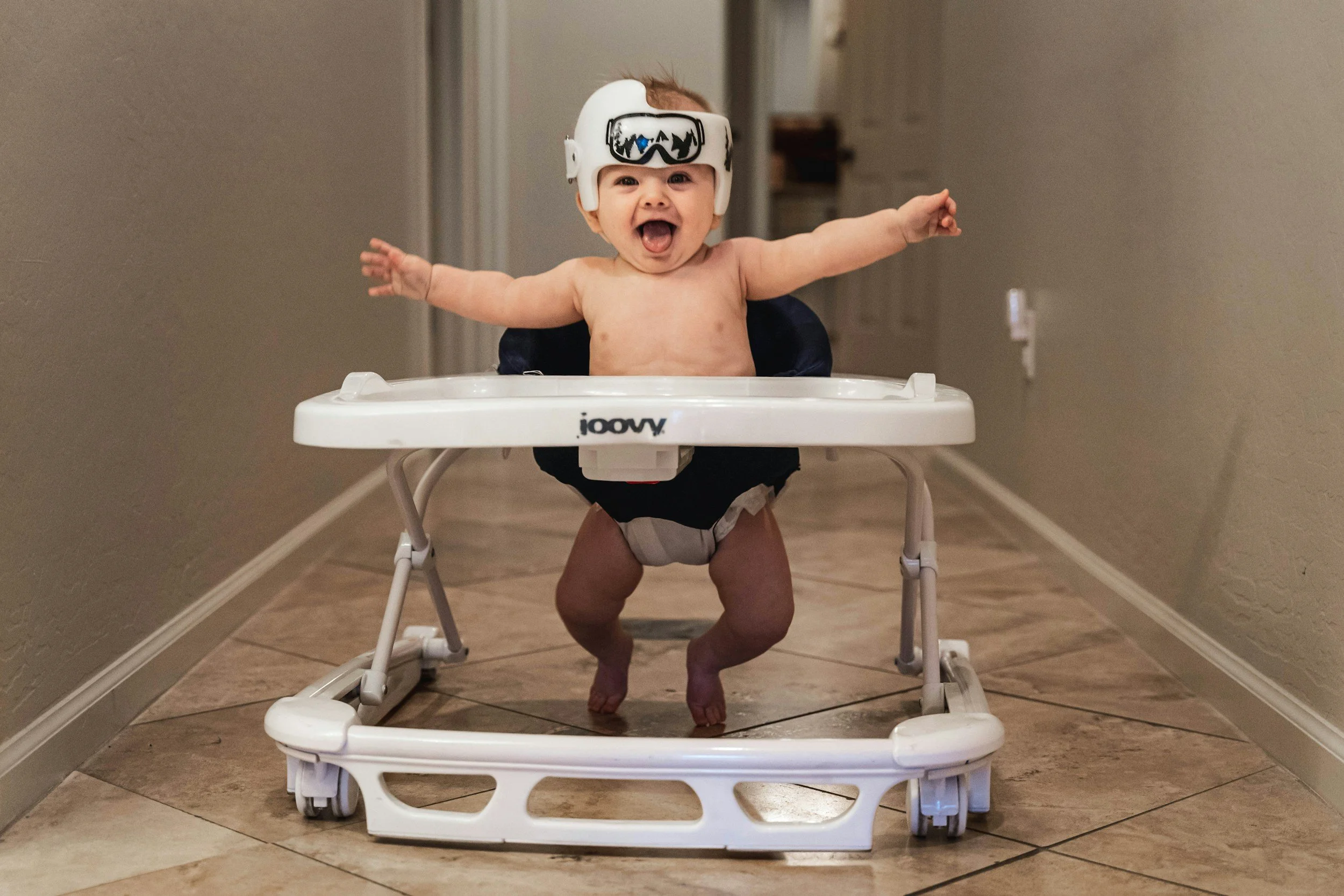
Some babies are referred for helmets.
We often support families:
Before helmet referrals
During helmet use
After helmet care
By addressing underlying tension and movement patterns, we help everything work more effectively.
What About Physical Therapy?
Physical therapy can be a valuable part of your baby’s care, especially if there is torticollis (tightness in the neck) or a strong preference to look one direction.
Pediatric physical therapists focus on:
Improving neck range of motion
Strengthening muscles for balanced movement
Supporting developmental milestones like rolling and crawling
At Focus Chiropractic, we often co-manage care with trusted physical therapists to support your baby from multiple angles.
While physical therapy focuses on strength and movement, our work supports:
Gentle release of tension in the body
Cranial and jaw alignment
Nervous system regulation
Together, this approach can help your baby:
Move more freely
Feel more comfortable
Develop more symmetrically
If your baby would benefit from physical therapy, we’re always happy to guide you toward the right support.
Ready to Support Your Baby’s Head Shape and Development?
We’re here to help both you and your baby feel more at ease.
Gentle cranial and bodywork.
Personalized guidance you can continue at home.
A calm, supportive space for your whole family.
You’re Not Behind. You’re Paying Attention.
If you’ve noticed a flat spot, you’re already doing something important.
You’re tuning in.
You’re advocating.
You’re supporting your baby early.
Book your baby’s visit today.
Early support makes the biggest difference.
Serving Pasadena and surrounding families.