
How to Support Baby Hip Development: Hip Dysplasia Activity Guide
At Focus Chiropractic, we often work with babies who have been identified as having hip dysplasia or who are transitioning out of a brace. While every baby is unique and medical recommendations should always be followed, there are many gentle, developmentally supportive ways parents can encourage healthy hip development through everyday movement and play.
The goal of these activities is simple:
support natural hip positioning
encourage proper muscle development
reduce unnecessary strain on developing hip joints
When appropriate, these strategies may help reduce the need for bracing, or support smoother integration after brace use, by honoring how babies are designed to move.
Understanding Healthy Hip Positioning
A baby’s hips develop best when they are:
Flexed (knees bent)
Abducted (legs gently opened outward)
This position, often called the “M-position” or frog-leg position, helps the femoral head sit deeply and securely in the hip socket, encouraging healthy joint development.
Many everyday baby activities naturally support this position when done intentionally.
Daily Foundations for Hip Health (0–12 months)
Frog-Leg Positioning
During diaper changes, cuddles, or playtime, allow your baby’s legs to remain bent and open rather than holding them straight together. This gentle positioning supports optimal hip alignment without force.
Hip-Healthy Babywearing
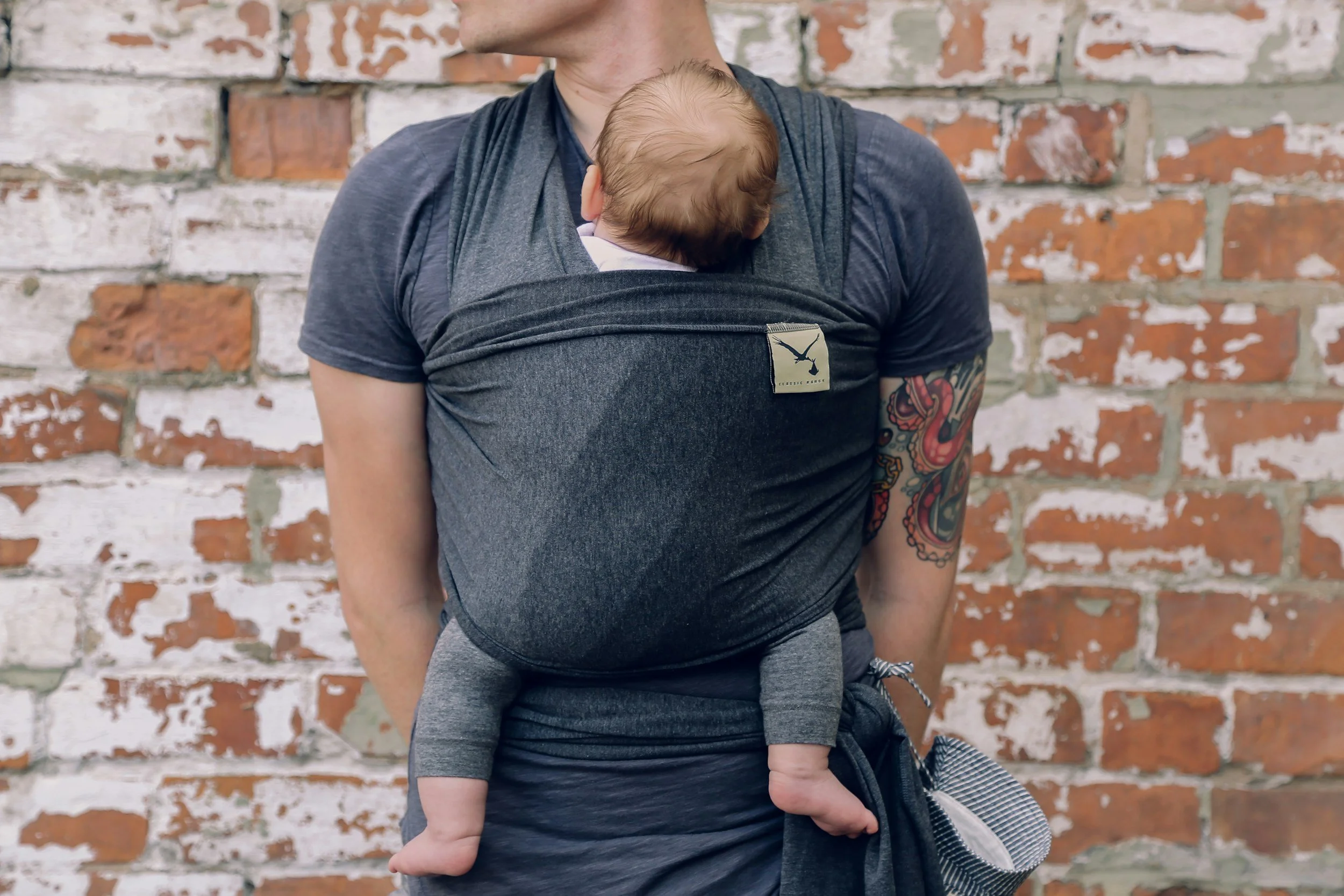
Choose carriers that support your baby’s thighs with knees slightly higher than hips. Proper babywearing naturally places the hips in an ideal developmental position while offering comfort and regulation. If you are in the Los Angeles area, we highly recommend BABY WEARING LA. They have free meet ups at parks where you can ask questions, try other carriers and be around awesome mamas. Thier mission is to provide free, accessible and inclusive baby carrier education and support to caregivers, practitioners, agencies and non profits in the Los Angeles and surrounding areas.
If you have an ERGObaby, you are able to book a free online Meet 1-1 with a Babywearing Consultant to learn everything you need to know about how to use your baby carrier. Learn to carry your baby safely, securely, and comfortably at every stage of growth.
Floor Time Over Containers
Unrestricted floor play allows babies to explore movement at their own pace. Limiting time in swings, bouncers, and exersaucers helps avoid prolonged hip extension or compression.
Side-Lying Play
Side-lying play encourages gentle hip flexion and activation of the core and lateral muscles. A rolled towel behind your baby’s back can provide support while they explore toys in front of them.

Tummy Time on Your Chest
Tummy time doesn’t have to be flat on the floor. Placing your baby on your chest allows natural hip flexion while building neck, trunk, and postural strength.
Strength & Alignment Activities (3–12 months)
As babies grow, strengthening and coordination become important for hip stability.
Butterfly Hip Movement
With baby relaxed, gently bend the knees and allow the legs to open and close like butterfly wings. This should always be slow, easy, and pain-free.
Diagonal Reaching
Placing toys slightly to one side encourages babies to shift weight and activate hips dynamically. This is important for crawling and later walking.
Feet-to-Mouth Play

When babies bring their feet toward their mouth, they naturally engage core muscles and maintain hip flexion and openness.
Hands-and-Knees Positioning
Rocking gently on hands and knees helps build hip stability and prepares babies for crawling without forcing early standing.
Standing From Knees (Later Stages)
Allow babies to transition to standing from a kneeling position rather than being lifted directly to their feet. This supports controlled hip engagement and strength.
Activities to Avoid or Limit
To protect developing hips, we recommend limiting:
Tight swaddling with legs straight and together
Excessive time in baby seats, jumpers, or walkers
Forcing early standing or walking
Holding baby’s legs together during diaper changes
Supporting Your Baby During Brace Use (Pavlik Harness or Other Bracing)
If your baby is currently in a brace, it’s completely normal to feel a mix of emotions. Relief that something is being addressed, and uncertainty about how to best support your baby during this time.
The good news is: there is still so much you can do to support your baby’s comfort, nervous system, and overall development while they are in the brace.
Focus on Comfort + Skin Care
Braces can sometimes create areas of pressure or sensitivity on your baby’s skin.
Many families love using soft brace covers to:
reduce friction
protect sensitive skin
keep baby more comfortable throughout the day
You can explore some beautiful, soft brace cover options here: Pavlov Harness Covers.

(Choose breathable, soft fabrics that won’t bunch or create additional pressure.)
Support Connection + Regulation
Even though movement is more limited in the brace, your baby still benefits deeply from:
skin-to-skin contact
gentle touch
eye contact and voice connection
This helps regulate their nervous system and supports overall development during this phase.
When the Brace Is Off: Gentle Movement Matters
During approved times out of the brace (always follow your provider’s guidance), this is a beautiful opportunity to support your baby’s natural movement patterns.
One of our favorite gentle activities is: Guppy on the Ball
This supported position allows your baby to:
gently open into hip and spinal extension
decompress from the flexed brace position
explore movement in a safe, supported way
It can also support fascial unwinding, allowing the body to release built-up tension patterns in a very organic way.
Keep it:
slow
supported
responsive to your baby’s cues
Supporting Babies After Brace Use
After bracing, babies often benefit from gentle reintroduction to movement. Floor play, babywearing, side-lying play, and hands-and-knees activities help rebuild strength and coordination while honoring the work the brace has already done.
Progress should always be gradual, calm, and responsive to your baby’s cues.
After-Brace Support Activities
Once the brace is removed, slowly reintroduce:
Gentle frog-leg time (on lap or in a carrier).
Low rocking on all fours.
Diagonal tummy time reaching.
Soft bouncing on a large yoga ball (with hips open).
Activity Guide
Here is an activity guide for hip dysplasia for babies. Helps babies by promoting hip health through developmental play.
A Gentle Reminder
Your baby’s body is incredibly adaptable and resilient. Bracing is one part of the journey—but connection, comfort, and gentle movement continue to play an important role in how your baby integrates and grows.
If you’d like additional support during this phase, we’re here to help guide you.
Need help deciding where to start?
We suggest booking a Mama & Baby visit at Focus Chiropractic where we help babies feed, grow, and thrive naturally.